
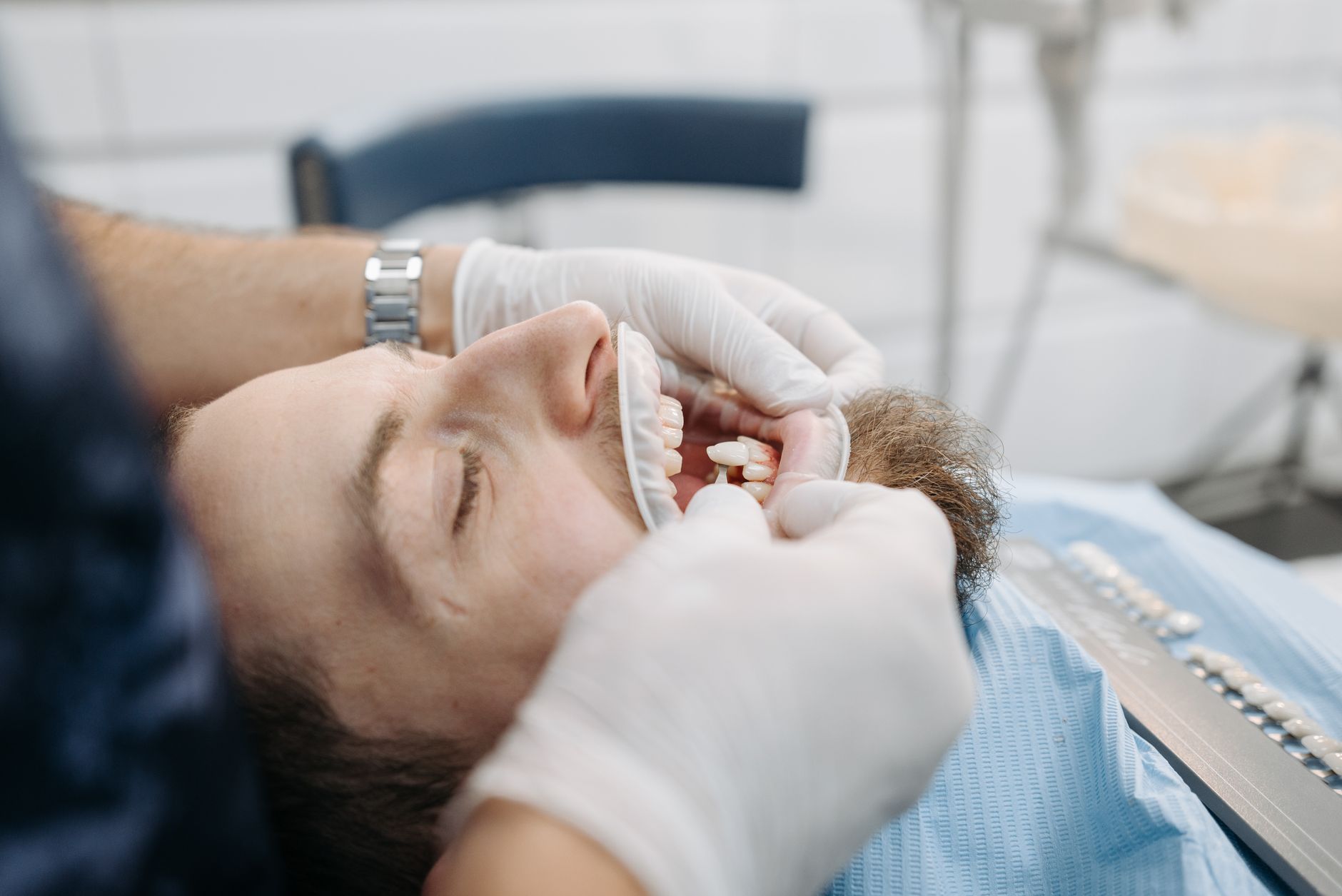
If you’ve ever been told you “might need a crown,” you’re not alone. And you’re also probably wondering what that actually means. A dental crown is one of those treatments that sounds intense, but in everyday dentistry it’s a very common, practical way to protect and restore a tooth that’s been through a lot. It can help you chew comfortably again, reduce sensitivity, prevent a crack from getting worse, and improve the look of a damaged tooth.
At the same time, not every tooth needs a crown. Some issues can be solved with a filling, bonding, or even just better home care and regular hygiene visits. The tricky part is understanding the “why” behind the recommendation, what your options are, and how to make the right call for your mouth and your budget.
This guide breaks down what dental crowns are, when they’re truly helpful, what the process is like, and how to care for them so they last. If you’re researching nepean dental crowns specifically, you’ll also find practical context on how crowns fit into a complete dental plan, especially when you’re balancing function, aesthetics, and long-term tooth health.
Dental crowns, explained in plain language
A dental crown is basically a “cap” that covers a tooth. It’s custom-made to fit over the visible part of your tooth (the portion above the gumline), restoring the tooth’s shape, strength, and appearance. Think of it as a protective shell that lets a weakened tooth keep doing its job without falling apart.
Crowns can be used on natural teeth or on top of dental implants. They’re often recommended when a tooth has lost a lot of structure, whether from decay, a fracture, wear, or a large old filling that’s starting to fail. Instead of trying to patch a tooth again and again, a crown can provide a more stable long-term solution.
One important point: cosmetics are only part of what a crown does, even though it can dramatically improve how a tooth looks. In many cases, the main goal is to protect the tooth from cracking or breaking further, and to restore comfortable chewing.
What a crown actually does for your tooth
It reinforces a tooth that’s running out of structure
Teeth are strong, but they’re not indestructible, especially once they’ve been drilled, filled, or weakened by decay. When too much of the tooth is missing, a standard filling may not have enough natural tooth to hold onto. That’s when the risk of the tooth fracturing goes up.
A crown wraps around the tooth and helps distribute biting forces more evenly. That’s a big deal for back teeth (molars) that take the brunt of chewing pressure. If you’ve ever felt a sharp “zing” when biting on something crunchy, it can sometimes be a warning sign that a tooth is cracked or close to cracking.
By giving the tooth a full-coverage protective layer, crowns can reduce the chance of a small crack turning into a catastrophic break that leads to extraction.
It restores function so chewing feels normal again
When a tooth is worn down, broken, or heavily filled, your bite can change in subtle ways. You might avoid chewing on one side, chew more slowly, or feel like food gets stuck in odd places. Over time, that can create a ripple effect, jaw discomfort, uneven wear, and more stress on neighboring teeth.
A well-made crown rebuilds the tooth’s original anatomy: the grooves, cusps, and contact points that help food move properly as you chew. That means less food trapping, better bite balance, and a more “natural” chewing feel.
For many people, the most noticeable benefit isn’t how the crown looks. It’s how much easier it is to eat without thinking about that tooth.
It can improve appearance, but in a practical way
Crowns are sometimes used to improve the look of a tooth that’s severely discolored, misshapen, or damaged. While veneers are often associated with cosmetic changes, crowns can also be chosen when a tooth needs both aesthetics and strength.
For example, a front tooth that’s been fractured in an accident might need full coverage for durability. A crown can match your surrounding teeth in shade and translucency, while also withstanding everyday biting forces.
The key is that the crown should be designed to match your smile, as a single tooth and in how it fits your bite and your overall facial aesthetics.
When you actually need a crown (and when you might not)
After a root canal
One of the most common times crowns come up is after root canal treatment, especially on molars and premolars. A root canal can save a tooth that has deep infection or inflammation, but it can also leave the tooth more brittle over time.
That brittleness isn’t because the tooth is “dead” in a dramatic sense. It’s more that the tooth has often lost structure from decay and access drilling, and it may be more prone to fracture under chewing forces.
A crown helps protect the tooth so you can keep it long-term. In some cases (often front teeth with minimal damage), your dentist might recommend a different restoration, but for many back teeth, a crown is the standard protective step.
When a tooth has a large filling that’s failing
Fillings are great, until they get too big. The larger the filling, the less natural tooth is left to support it. Over time, big fillings can loosen, leak, or crack the remaining tooth structure around them.
If you’ve had a large silver filling for years and now it’s breaking down, a crown can be a way to stabilize the tooth before it breaks. This is often a “prevent a bigger problem” recommendation rather than a response to pain.
In many cases, people don’t feel anything until the tooth finally fractures. So if your dentist suggests a crown for a heavily restored tooth, it’s worth asking what they’re seeing on the X-ray and in the tooth’s structure.
Cracked teeth and fractured cusps
Cracks can be sneaky. Some are visible, some aren’t, and symptoms can be on-and-off. You might feel pain only when biting a certain way, or sensitivity that comes and goes.
A crown can hold the tooth together and reduce flexing along the crack line. That matters because teeth flex slightly under pressure. If a crack is present, that flexing can irritate the nerve or deepen the crack over time.
Not every crack needs a crown. Some minor craze lines are superficial. But when a crack affects structure or symptoms, full coverage is often the safest route.
Severe wear from grinding or acid erosion
If you grind your teeth (bruxism) or have significant acid wear (from reflux, diet, or other factors), teeth can become shorter, flatter, and more sensitive. Over time, the bite can collapse and chewing efficiency drops.
Crowns can rebuild worn teeth and protect them from further breakdown. In more complex cases, dentists may plan multiple crowns (or a mix of crowns and other restorations) to re-establish a healthier bite relationship.
That said, if grinding is the main issue, a crown isn’t the whole solution. A night guard and addressing the cause of wear are usually part of the plan, otherwise new crowns can chip or wear prematurely.
When a tooth is too damaged for a filling. But not hopeless
There’s a gray zone between “a filling will do” and “this tooth can’t be saved.” Crowns often live in that middle ground. If there’s enough healthy tooth above the gumline and the root is stable, a crown can restore the tooth even after significant damage.
In some situations, a crown may be paired with a buildup (to replace missing structure) or a post (to help retain the core in a root-canaled tooth). These are details your dentist considers to make sure the crown has a solid foundation.
If you’re unsure whether a crown is necessary, it’s reasonable to ask what alternative restorations could work, and what the risks are if you choose a less extensive option.
Types of crowns and how to choose what fits your needs
Porcelain and ceramic crowns
All-ceramic crowns are popular because they can look very natural. They’re often used for front teeth where appearance is a big priority, but modern ceramics can also work well for back teeth depending on your bite and habits.
These crowns can be made with different ceramic systems, each with its own balance of strength and translucency. Your dentist and lab will consider shade matching, how much tooth is showing when you smile, and how much force that tooth takes when you chew.
If you want an aesthetic crown but also grind your teeth, you’ll want a frank conversation about durability and whether you’ll need a night guard to protect the work.
Porcelain-fused-to-metal (PFM)
PFM crowns have a metal substructure with porcelain layered on top. They’ve been used for decades and can be a strong option, especially in areas where durability matters.
One drawback is that over time, gum recession can sometimes reveal a darker line near the gum edge. Not everyone experiences this, but it’s something to consider if the crown is in the smile zone.
PFMs can be a solid middle-ground choice for certain bites and budgets, and they’re still widely used in many practices.
Gold and other metal crowns
Metal crowns (including gold alloys) are extremely durable and gentle on opposing teeth. They’re often recommended for back molars where appearance isn’t the top concern.
They also require less tooth reduction compared to some other materials, which can be a benefit when preserving tooth structure is important.
Some people love the idea of a long-lasting gold crown; others prefer tooth-colored options. It’s a personal choice, and it’s okay to weigh aesthetics heavily if the tooth is visible when you talk or laugh.
Zirconia crowns
Zirconia is a strong ceramic material that has become very common for crowns. It can be a great option for molars and for people who want tooth-colored restorations with high strength.
There are different “types” of zirconia with varying translucency. More translucent zirconia can look more natural, while more opaque versions may be stronger but less lifelike. Your dentist and lab can tailor the choice to the tooth’s location and your cosmetic goals.
If you’ve been told you need something “really strong,” zirconia is often part of that conversation. But it still needs proper design and bite adjustment to perform well long-term.
The crown process: what happens from start to finish
Exam, imaging, and planning
Before you get a crown, your dentist needs to confirm the tooth is a good candidate. That usually means an exam, X-rays, and sometimes additional tests if there’s pain or sensitivity. The goal is to make sure there isn’t an untreated infection, a fracture that extends too far, or gum issues that need attention first.
This is also the stage where you can talk about goals: do you want the crown to blend invisibly, are you concerned about cost, do you clench or grind, and what timeline you’re working with?
If you’re planning other dental work, like partial dentures, implants, or a smile makeover, crowns may be sequenced carefully so everything fits together properly.
Tooth preparation and impressions (or digital scans)
To place a crown, the tooth needs to be shaped so the crown can fit over it. This means removing any decay and trimming the tooth so there’s room for the crown material. The amount removed depends on the crown type and how damaged the tooth is.
After preparation, your dentist takes an impression or digital scan. Digital scanning has become more common and can be more comfortable than traditional impression material, but both can produce excellent results when done well.
This is also where the bite is recorded so the crown doesn’t end up too high (causing soreness) or too low (affecting chewing and contacts).
Temporary crowns and the “in-between” period
In many cases, you’ll leave the appointment with a temporary crown while the final crown is made. Temporaries protect the tooth, help you chew, and maintain spacing so the final crown can fit properly.
Temporary crowns aren’t as strong as permanent ones, so you’ll usually be advised to avoid very sticky foods (like gum or caramel) and to be a bit cautious with hard foods on that side.
If a temporary crown feels high, rough, or keeps popping off, it’s worth calling promptly. Living with an uncomfortable temporary can irritate the gum and make the final cementation appointment more stressful than it needs to be.
Final placement and bite adjustment
When the final crown is ready, your dentist removes the temporary, cleans the tooth, and checks the fit of the new crown. They’ll look at the margins (how it meets the tooth near the gumline), the contacts with neighboring teeth, and the bite.
Bite adjustment is a big deal. Even a tiny “high spot” can make the tooth sore or cause jaw discomfort. A good dentist will have you bite and grind in different directions to make sure the crown fits naturally into your bite.
Once everything checks out, the crown is cemented or bonded in place. You’ll get aftercare instructions, and in many cases, you’ll be advised to monitor for lingering sensitivity or bite discomfort over the next few days.
Common myths and misunderstandings about crowns
“A crown means my tooth is basically gone”
It can feel that way emotionally, but a crown is often a tooth-saving treatment. The goal is to keep your natural root and as much healthy tooth structure as possible, while reinforcing what’s left.
In fact, many crowned teeth last for years or decades with proper care. It’s less about “losing” a tooth and more about giving a compromised tooth the protection it needs to keep functioning.
If you’re worried about how much tooth will be removed, ask your dentist what material they’re recommending and why, different materials require different amounts of reduction.
“Crowns last forever, so I don’t need to worry about that tooth”
Crowns are durable, but they’re not invincible. The tooth underneath can still get decay at the margin, and gum health still matters. A crown is like a strong helmet, great protection, but it doesn’t make you immune to problems.
Flossing is especially important around crowns because plaque can build up at the gumline where the crown meets the tooth. If that area is neglected, you can end up with decay or gum inflammation that shortens the life of the crown.
Regular checkups help catch early changes at the crown margins before they become bigger (and more expensive) issues.
“If it doesn’t hurt, I don’t need a crown”
Pain is not always a reliable indicator of risk. A tooth can be structurally compromised and still feel fine, until the day it cracks during a normal meal. That’s why dentists sometimes recommend crowns as a preventive measure for heavily restored teeth.
That said, it’s fair to ask for clarity. You can request photos, X-ray explanations, or even a second opinion if you’re unsure. A good recommendation should make sense when it’s explained in terms of structure, risk, and long-term outcomes.
The decision often comes down to risk tolerance: do you want to stabilize the tooth now, or watch it and accept the chance of a sudden fracture later?
How crowns compare to other options
Crown vs. filling or bonding
Fillings and bonding are more conservative and usually less expensive up front. They work well when the tooth still has plenty of healthy structure and the damage is relatively small.
Crowns come into play when the tooth is too compromised for a filling to last predictably. If a filling would be very large or would leave thin tooth walls, a crown can be the more reliable choice.
If you’re deciding between the two, ask: how much healthy enamel is left, how big is the restoration, and what’s the likelihood this tooth will crack without full coverage?
Crown vs. onlay
An onlay (sometimes called a partial crown) covers part of the tooth, often the chewing surface and one or more cusps, without covering the entire tooth. Onlays can be a great middle option when you need more than a filling but can preserve more natural tooth than a full crown.
Not every case is suitable for an onlay. If the tooth is already cracked in a way that requires full coverage, or if there isn’t enough structure for predictable bonding, a full crown may be recommended.
When onlays are an option, they can be an excellent conservative approach. So it’s worth asking whether your tooth qualifies.
Crown vs. extraction and replacement
Sometimes people consider skipping a crown and just removing the tooth. But replacing a tooth (with an implant, bridge, or denture) is usually more involved than restoring it with a crown. Both in time and cost.
Extraction can also lead to shifting teeth and bite changes if the space isn’t replaced. So if the tooth is savable, a crown can be the most straightforward way to keep your natural bite stable.
Of course, if the tooth has a deep fracture, severe decay below the gumline, or poor bone support, extraction may be the healthiest choice. The key is making the decision based on prognosis first, ahead of short-term convenience.
What it feels like to live with a crown
The first week: normal sensations vs. red flags
It’s common to feel a little tenderness after crown placement, especially around the gumline. Mild sensitivity to cold can also happen, particularly if the tooth was already sensitive before treatment.
However, persistent pain when biting, a feeling that the crown is “too high,” or throbbing discomfort that doesn’t improve should be checked. Bite issues are often easy to adjust, but they shouldn’t be ignored because an uneven bite can irritate the tooth and jaw.
If you notice floss shredding between the crown and a neighboring tooth, or food consistently packing into the area, mention it. Those can be signs the contact needs refinement.
Eating and chewing with confidence
Once everything settles, a crown should feel like part of your natural tooth. You shouldn’t have to “baby” it in normal eating, although it’s still smart to avoid using your teeth as tools (opening packages, biting pens, cracking ice).
If you clench or grind, you may be advised to wear a night guard. This isn’t about the crown being weak. It’s about protecting all your teeth and restorations from excessive forces while you sleep.
Many people find they chew better after a crown because the tooth is no longer sensitive or structurally unstable.
How long crowns typically last
Crown lifespan varies, but many last 10 to 15 years or longer, and some last much longer with good care. The biggest factors are oral hygiene, bite forces, diet, and whether you grind your teeth.
Decay at the crown margin is one of the most common reasons crowns need replacement. That’s why daily brushing and flossing, and not skipping regular exams, matter so much.
It’s also worth remembering that dentistry is dynamic: gums change, old restorations age, and your bite can shift. A crown is a long-term investment, not a one-and-done event.
Daily care that helps crowns last longer
Brushing and flossing techniques that actually help
Brush twice a day with a fluoride toothpaste and pay attention to the gumline around the crown. Plaque tends to collect right where the crown meets the tooth, and that’s where decay can start.
Floss daily and slide the floss gently down the side of the tooth, curving it into a “C” shape. If you have trouble flossing around a crown (or any dental work), tools like floss threaders, interdental brushes, or water flossers can be helpful.
If your gums bleed around a crown, it’s not something to shrug off. It can be a sign of inflammation from plaque buildup, and addressing it early can protect both the crown and the supporting tissues.
Professional cleanings and checkups matter more than people think
Even with great home care, professional cleanings remove hardened plaque (tartar) that brushing can’t. They also give your dental team a chance to check the crown margins, your bite, and any early signs of leakage or gum irritation.
If you’re looking for ongoing preventive support, working with ottawa teeth cleaning specialists can make a noticeable difference in keeping crowns (and natural teeth) healthy over time, especially if you’re prone to tartar buildup or gum sensitivity.
It’s easy to think of cleanings as “just polishing,” but for crowned teeth, they’re part of the long game: preventing the kinds of issues that force crown replacement earlier than expected.
Managing grinding, clenching, and stress on restorations
If you grind your teeth, you’re not alone. Many people do, often without realizing it. Signs include morning jaw soreness, headaches, flattened teeth, or chipped edges on restorations.
A custom night guard can protect crowns and natural teeth by reducing the wear and distributing forces more evenly. It won’t necessarily stop grinding, but it can reduce the damage it causes.
Also consider the daytime habits that add stress: chewing ice, crunching hard candy, or constantly snacking on very hard foods. Small changes can extend the life of dental work significantly.
Crowns and the bigger picture of your dental plan
How crowns interact with dentures and partials
Since you’re reading this on a denture-focused site, it’s worth noting: crowns can play a supporting role in denture and partial denture planning. For example, a crown can reshape a tooth to create a better clasping surface for a partial or improve how a denture fits against natural teeth.
In some cases, crowned teeth can serve as stable “anchors” for partial dentures, helping distribute forces and improving comfort. This is especially useful when remaining teeth are worn or heavily restored.
If you’re considering dentures or already have one, tell your dentist and denture provider about any crown plans so everything is coordinated from the start.
Crowns as part of family dentistry and long-term prevention
While crowns are often associated with big repairs, they’re also part of a long-term preventive mindset: save teeth when they’re savable, reinforce them when they’re at risk, and keep the bite stable as you age.
That’s why it helps to have a dental home that can look at the full picture. Your bite, your habits, your history of cavities, and your future needs. If you’re looking at a full range of care options, you can learn more about nepean family dental services and how restorative work like crowns fits into a broader plan that includes prevention and maintenance.
When your care is coordinated, you’re less likely to end up with “patchwork dentistry” where each fix solves today’s problem but creates tomorrow’s complication.
Budgeting and timing: how to think about the decision
Crowns are a bigger investment than fillings, so it’s normal to think carefully about timing. If a crown is recommended as urgent, say, for a cracked tooth, delaying can increase the risk of a break that makes the tooth unrestorable.
On the other hand, if the recommendation is more preventive (like a heavily filled tooth that’s stable today), you may have some room to plan financially. Ask your dentist what signs would indicate the situation is getting worse and what you should watch for.
It can also help to discuss whether an onlay could work, whether there are material choices that affect cost, and how insurance coverage applies. A good plan is one that protects your tooth and feels realistic for your life.
Questions worth asking before you say yes to a crown
“What problem are we solving, specifically?”
This question keeps the conversation grounded. Is the goal to prevent fracture? Replace a failing filling? Restore a tooth after root canal? Improve chewing? Address sensitivity? Different goals can lead to different options.
Ask your dentist to show you what they’re seeing, photos, X-rays, or a mirror view. When you understand the “why,” you’ll feel more confident moving forward.
If the explanation feels vague, it’s okay to ask for more detail. You’re not being difficult. You’re being informed.
“What are the alternatives, and what are the risks?”
Sometimes there truly isn’t a great alternative to a crown. Other times, there are a few reasonable options with different trade-offs in longevity, cost, and tooth preservation.
For example, a large filling might be cheaper now but could fail sooner, leading to repeat work. An onlay might preserve more tooth but may not be ideal if the tooth is cracked in a certain way. Understanding the risks helps you choose intentionally.
It’s also helpful to ask what happens if you do nothing for now. Not as a threat, just as a planning tool. A clear answer helps you gauge urgency.
“What material do you recommend for my bite and habits?”
Material choice also depends on your bite forces, whether you grind, where the tooth is located, and how much tooth structure remains.
Ask how the crown will be made (lab-made vs. same-day options if available), what the expected lifespan is for your situation, and whether you’ll need a night guard.
When the crown matches your functional needs, it’s more likely to feel comfortable and last longer.
How to tell if a crown might be in your future
If you’re trying to self-assess, here are a few common signs that often lead to crown conversations: a tooth with a very large filling, repeated repairs on the same tooth, a history of cracks or fractured teeth, a recent root canal, or persistent bite sensitivity that doesn’t match a simple cavity.
Cosmetically, teeth that are severely discolored or misshapen (especially after trauma) can also be crown candidates, particularly when strength is as important as appearance.
The best next step is a dental exam where your dentist can evaluate structure, gum health, and bite. Crowns are most successful when they’re planned thoughtfully, not rushed, and not used as a one-size-fits-all solution.
Keep reading
Related articles
-

How Dental Crowns Protect Your Teeth and Improve Oral Health
Dental health is an essential aspect of overall well-being, and maintaining it requires proper…
-
How Long Do Dental Fillings Last?
A filling is one of the most familiar treatments in dentistry, but it is…
-

Oral Surgery and Dental Implants in Walnut Creek: What You Need to Know
For more complex dental procedures (implants, extractions, bone grafting, full-arch restoration), the experience and…
Reference
Dentures, costs and coverage
How much dentures cost
Every published chain price, per arch, with dates and sources.
Implant dentures
Snap-on and fixed full-arch prices as the providers publish them.
Partial dentures
The three types, every published partial price, and what Medicaid pays by material.