Lakewood sits directly west of Denver, between the city and the foothills, and it is one of the older communities on the Front Range by resident age as well as by history. That matters for dentures for a simple reason: the people most likely to need them are already here, and so are the practices that fit them. This guide covers the types of dentures you are likely to be offered in Lakewood, what the process involves from the first appointment to the last adjustment, how the local climate affects wearing them, what they tend to cost in Colorado, and how to choose the dentist who makes them.
- County
- Jefferson
- Population
- 155,9842020 census
- Elevation
- 5,656 ftdry, high-altitude climate
Population: 2020 United States census. County and elevation: U.S. Geological Survey Geographic Names Information System.
The types of dentures you will be offered
Most Lakewood practices offer the same four options, and the right one depends on how many teeth you are replacing and on the condition of your gums and jawbone.
Complete dentures
A complete, or full, denture replaces every tooth in the upper or lower jaw. The base is made of gum-colored acrylic and rests directly on the gums, held in place by suction, the shape of the ridge and, if needed, a small amount of adhesive. Upper dentures usually seat more securely than lower ones because the palate gives them a larger surface to hold on to.
Partial dentures
A partial denture replaces one or several missing teeth while your remaining natural teeth stay in place. It uses a metal or acrylic framework with clasps that grip neighbouring teeth. Partials are removable, and they help stop the remaining teeth from drifting into the gaps.
Implant-retained dentures
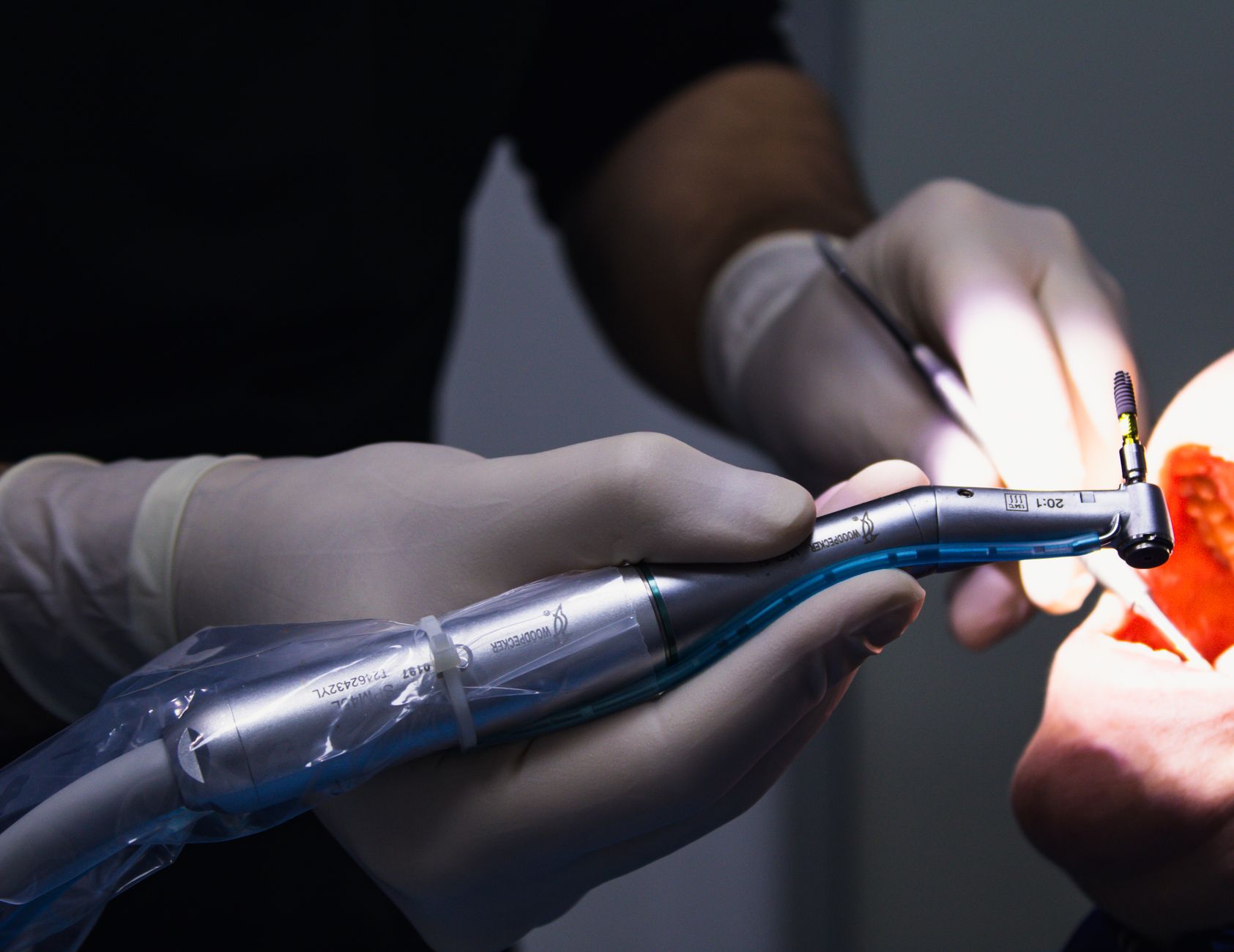
An implant-retained denture snaps onto two or more titanium posts placed in the jawbone. It is still removable for cleaning, but it does not slip when you eat or speak, and the implants help preserve the bone that a conventional denture slowly wears down. It is the most expensive option and the one with the longest treatment time, because the implants need several months to fuse with the bone before the denture is fitted.
Immediate dentures
An immediate denture is made before your remaining teeth are extracted and placed the same day they come out, so you are never without teeth. Because the gums shrink as they heal, an immediate denture usually needs relining or replacing within the first year.
What the process looks like
Getting dentures in Lakewood typically takes four to six visits over one to two months, longer if implants or extractions are involved.
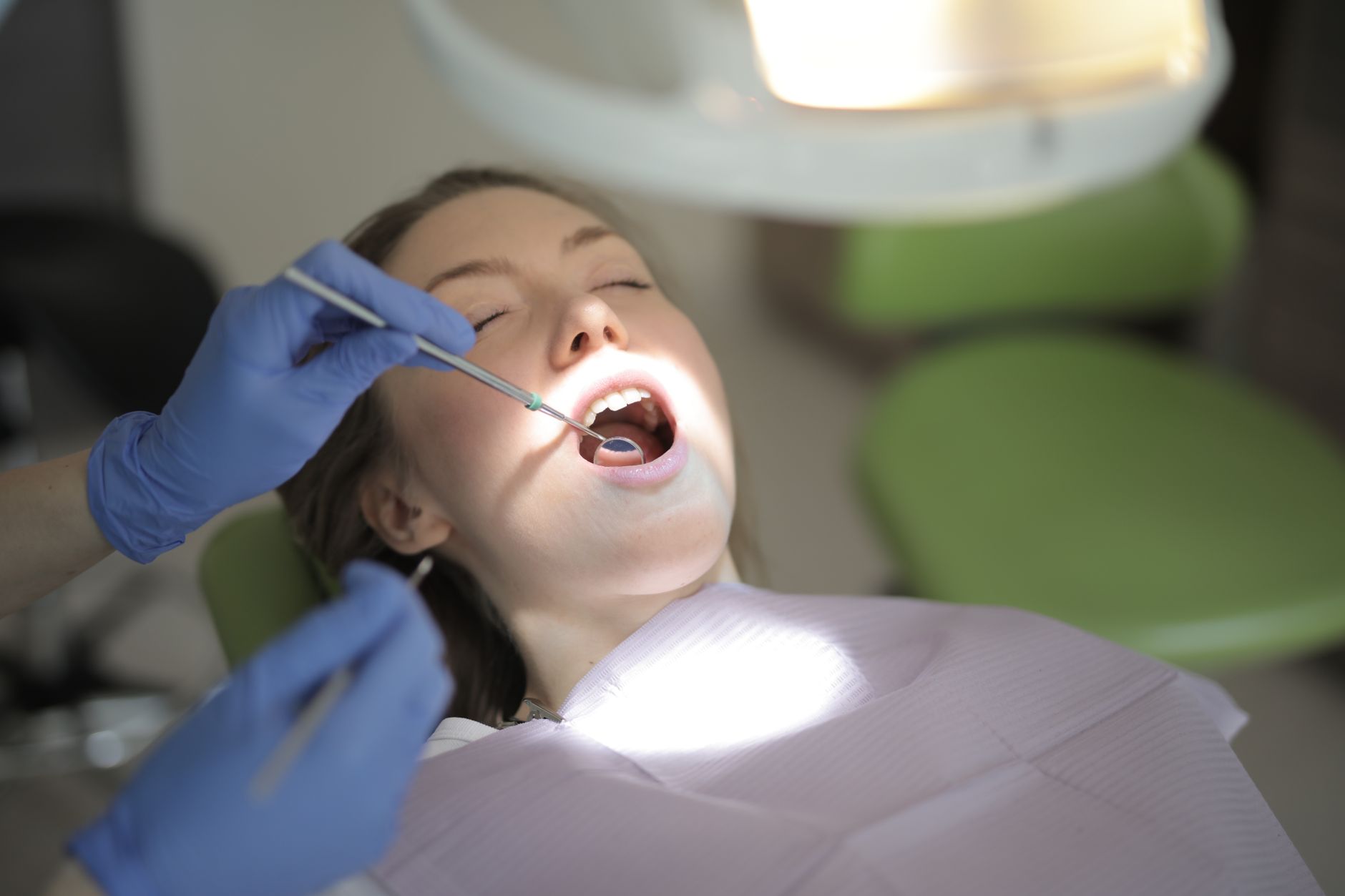
- Consultation and examination. The dentist assesses your gums, any remaining teeth and your jawbone, usually with x-rays, and talks through which type suits you and what it will cost.
- Impressions and measurements. Molds of your mouth and measurements of how your jaws meet are sent to a dental laboratory. Many Front Range practices work with labs in the Denver area, which keeps turnaround times short.
- Wax try-in. You try a wax model of the denture so the shade, shape and position of the teeth can be adjusted before the final version is made.
- Fitting. The finished denture is placed and checked for fit, bite and appearance.
- Adjustments. Sore spots are normal in the first weeks. Expect one or two follow-up visits to relieve pressure points, and do not try to file the denture yourself.
Wearing dentures at altitude and in a dry climate
Lakewood sits at roughly 5,500 feet, and the Front Range air is dry for most of the year. Neither changes how a denture is made, but both affect how it feels to wear one. Dry mouth is the most common complaint, because saliva is what helps a conventional denture seal against the gums. If your mouth is dry, the denture can feel loose even when it fits well.
Drinking water through the day, using a saliva substitute or a denture adhesive designed for dry mouth, and running a humidifier at night all help. Some medications reduce saliva, so mention any new prescription to your dentist if the fit suddenly seems to change. Sun and wind also dry the lips, and a cracked lip corner can make a denture uncomfortable to insert, so a lip balm is a small but useful habit here.
Daily care and maintenance
A denture lasts longer and fits better when it is cleaned and handled well.
- Remove and rinse it after eating to clear food particles.
- Brush it daily with a soft brush and a non-abrasive denture cleaner. Ordinary toothpaste is too harsh and scratches the acrylic.
- Soak it overnight in water or a denture solution so it keeps its shape. Never use hot water, which can warp the base.
- Brush your gums, tongue and palate every morning before putting the denture back in.
- Handle it over a folded towel or a basin of water. Most breaks happen in the sink.
Even a well cared for denture needs professional attention. Your gums and bone change shape over time, so most dentures need a reline every two to three years and a replacement after five to ten. A denture that clicks, rubs or needs more adhesive than it used to is asking for a reline, not more adhesive.
What dentures cost in Colorado, and how people pay
Prices vary widely by type, materials and practice, so treat any figure as a starting point for a conversation rather than a quote. A basic complete denture for one arch generally costs several hundred to a few thousand dollars, premium acrylics and custom-shaded teeth cost more, and implant-retained dentures cost several times as much again because of the surgery involved.
On paying for them: Original Medicare does not cover dentures, though some Medicare Advantage plans include a dental benefit. Health First Colorado, the state’s Medicaid program, includes an adult dental benefit that can help with dentures, subject to its current rules and limits. Many private dental plans cover a portion of the cost once every five to seven years. Ask the practice for an itemised estimate before you commit, and ask whether the reline and follow-up visits are included in the price.
Choosing a denture provider in Lakewood
In Colorado, dentures are made and fitted through a dentist. A general dentist handles most cases, and a prosthodontist, a dentist with additional specialist training in replacing teeth, is worth seeking out for complex cases, implant-retained dentures or a full-mouth rebuild. Some practices have an in-house laboratory, which can mean faster adjustments and repairs.
Questions worth asking at a first appointment:
- Which type of denture do you recommend for me, and why not the others?
- How many visits will it take, and how long between them?
- Which laboratory makes the denture, and how long do repairs take?
- What is included in the price, and what is charged separately?
- What happens if it does not fit well after the adjustment period?
- Do you offer implant-retained dentures here, or would you refer me?
A good answer to any of these is a specific one. A practice that talks through the trade-offs between options is telling you more than one that promises the best denture in town.
Getting used to new dentures
The first two to four weeks are the hardest. Speaking may feel awkward, saliva increases, and eating takes practice. Start with soft foods cut small, chew on both sides at once to keep the denture balanced, and read aloud for a few minutes a day to retrain your tongue. Most people find the denture feels like part of them within a month or two. If it still does not after your adjustment visits, go back. Persistent discomfort is a fit problem, not something to put up with.
Frequently asked questions
How long does it take to get dentures in Lakewood?
Typically four to six visits over one to two months, longer if extractions or implants are involved. The visits run from a consultation and examination, usually with x-rays, through impressions sent to a dental laboratory, a wax try-in to adjust shade and shape, the fitting itself, and one or two follow-ups to relieve sore spots. Many Front Range practices use Denver-area labs, which keeps turnaround short.
Why do dentures feel loose in Colorado's dry climate?
Lakewood sits at roughly 5,500 feet and the Front Range air is dry most of the year. Saliva is what helps a conventional denture seal against the gums, so a dry mouth can make a well-fitting denture feel loose. Drinking water through the day, using a saliva substitute or an adhesive made for dry mouth, and running a humidifier at night all help. Some medications reduce saliva, so mention new prescriptions to your dentist.
How much do dentures cost in Colorado?
Prices vary widely by type, materials and practice, so any figure is a starting point rather than a quote. A basic complete denture for one arch generally runs from several hundred to a few thousand dollars, premium acrylics and custom-shaded teeth cost more, and implant-retained dentures cost several times as much again because of the surgery. Ask for an itemised estimate and whether relines and follow-up visits are included.
Does Medicare or Medicaid cover dentures in Lakewood?
Original Medicare does not cover dentures, though some Medicare Advantage plans include a dental benefit. Health First Colorado, the state Medicaid program, has an adult dental benefit that can help with dentures, subject to its current rules and limits, which its own benefits page sets out each year. Many private dental plans cover a portion of the cost once every five to seven years, so check the policy before committing.
How often does a denture need relining or replacing?
Gums and bone keep changing shape, so most dentures need a reline every two to three years and a replacement after five to ten. An immediate denture, fitted the day teeth are extracted, usually needs relining or replacing within the first year because the gums shrink as they heal. A denture that clicks, rubs or needs more adhesive than before is asking for a reline, not more adhesive.
Before you choose a provider
Check the license, and check what Health First Colorado covers, before booking in Lakewood
Every dentist practicing in Colorado is licensed by the state Dental Board, and the public lookup shows a license’s status and any discipline on it. Health First Colorado, the state’s Medicaid program, includes an adult dental benefit that covers prosthodontic services such as dentures within the program’s limits; the plan’s own benefits page says what those are this year. We are a publication, not a practice, and do not recommend individual clinics.
Colorado license lookupHealth First Colorado dental benefitMore on implants and denturesWhat dentures cost: every published priceDoes Medicaid cover dentures? All 50 states
Denture guides for other Colorado cities
Denver
The denture types available, the fitting process step by step, and ongoing care.
Colorado Springs
Types of dentures, the procedure step by step, and the materials used.
Aurora
The options, what they cost, and how to choose a denture provider.
Fort Collins
Denture types, daily care, and choosing a provider, including for seniors.
Castle Rock
What dentures are, the types available, and what to expect from the process.