
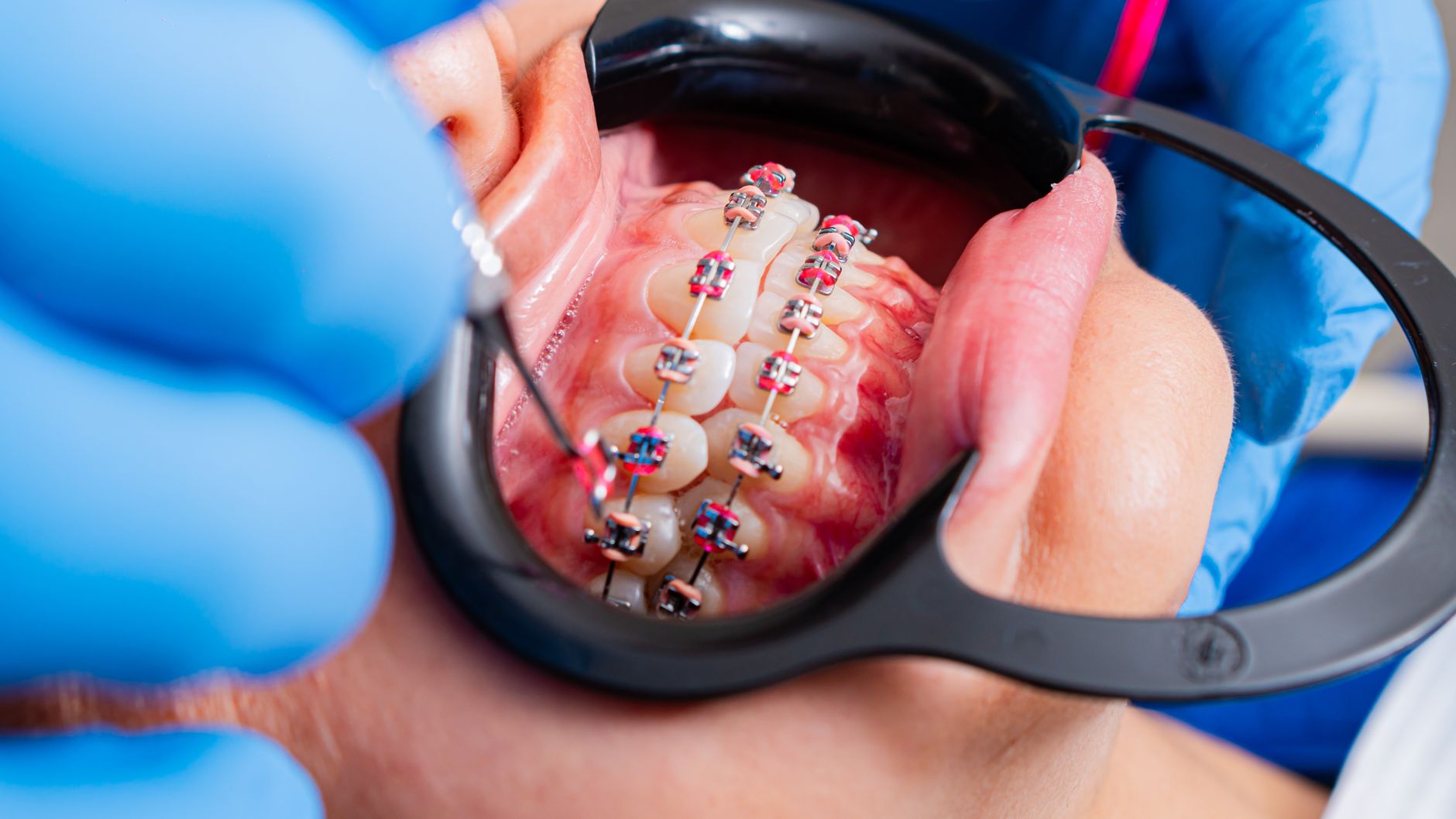
Understanding the Importance of Oral Hygiene with Braces
Braces can do wonders for your smile, but they also require extra attention to oral hygiene. This is because braces create spaces that can trap food and lead to plaque buildup. Thus, learning how to care for your teeth with braces is important to prevent oral health issues and ensure your treatment goes smoothly. Diligent care will help reduce the amount of time you have to wear them and ensure your teeth stay healthy.
Taking care of your teeth while you have braces protects your appearance and prevents serious health issues like tooth decay, gum disease, and enamel demineralization. By committing to a solid oral hygiene routine, you safeguard your dental health and enhance the overall effectiveness of your orthodontic treatment.
Brushing Techniques and Tools for Brace-Wearers
For brushing your teeth with braces, the right technique and tools are essential. Standard toothbrushes can often miss the hard-to-reach areas around your brackets and wires. Instead, opt for an electric toothbrush, which can aid in thoroughly cleaning these tricky spots with its oscillating and vibrating actions. Alternatively, a manual toothbrush with soft bristles can be used if you’re diligent and thorough.
Brushing should occur at least twice a day, and ideally after every meal to remove any food particles. Hold the toothbrush at a 45-degree angle and focus on cleaning around each bracket and along the gumline. Don’t forget to gently brush your tongue to get rid of bacteria and keep your breath fresh. If it’s available in your area, consider visiting a family and cosmetic dentist in Leesburg for personalized advice and recommendations on the best brushing tools for your unique needs.
The Role of Flossing and Interdental Cleaners
Flossing can become more challenging once you have braces, but it’s a critical step in maintaining oral health. Traditional flossing might be difficult, so using a floss threader can help you maneuver the floss behind each wire. It’s important to be gentle to avoid damaging the braces while ensuring that you slide up and down between each tooth all the way to the gumline to remove any hidden plaque.
For those who find floss threaders too time-consuming, you might consider using an interdental brush or a water flosser. These tools can reach around braces and clean between your teeth with ease. Interdental brushes come in various sizes and can efficiently clean spaces between braces and wires. Water flossers use a stream of pulsating water to remove food particles and plaque, a gentle and effective option for maintaining oral hygiene with braces.
Choosing What to Eat with Braces
Dietary adjustments are necessary when wearing braces. It’s essential to avoid foods that can damage or dislodge the brackets and wires. This includes sticky, chewy, or crunchy foods like caramel, popcorn, and hard candies. These foods can contribute to dental emergencies that may require a trip to the orthodontist for repairs. Instead, focus on a diet rich in soft fruits, vegetables, dairy, and proteins that pose less risk to your orthodontic appliances.
It’s about what you avoid and also what you consume to strengthen your teeth. Consuming calcium-rich foods like yogurt, cheese, and leafy greens can promote stronger teeth, while foods high in vitamin C can support gum health. Stay hydrated and consider integrating sugar-free gum or mints into your routine to reduce plaque formation and keep your mouth fresh.
The Regular Check-Ups: Staying Ahead of Problems
Regular visits to your dentist are vital while you have braces. These check-ups allow your dentist to monitor your oral health, clean your teeth, and detect any potential issues early on. Orthodontic appointments matter just as much as standard dental visits. If you’re near Virginia, visiting a dental office in Sterling, VA can provide a full check-up specific to your needs with braces.
Orthodontic adjustments will keep your treatment on track while routine cleanings remove plaque and tartar that regular brushing and flossing might miss. During these visits, ask your dentist or orthodontist any questions you may have about your braces and oral health to ensure you’re following the best practices.
Recognizing and Dealing with Dental Emergencies
Acquiring braces often means getting familiar with certain dental emergencies that can occur. Common issues include broken wires, loose brackets, and discomfort from moving teeth. It is also critical to know when a problem warrants immediate attention. If you find yourself in a situation where you’re unsure whether an issue needs urgent care, resources like this guide on dental emergencies can be invaluable. Knowing how to handle these situations can save time and discomfort.
In cases where self-management isn’t enough, always reach out to your orthodontist. They’re best equipped to offer advice or schedule an appointment if needed. Establishing a proactive approach means being prepared and understanding what steps to take in common scenarios.
Adapting to the Lifestyle Changes of Braces
Adjusting to life with braces means adapting your daily routine and lifestyle choices as well as getting used to the physical changes. Having an enhanced oral care routine, being cautious about what you eat and drink, and regularly attending orthodontic appointments become standard practices. Be patient with the process. The end result is a healthier, straighter smile that will be worth the commitment.
Remember that while treatment with braces can be challenging, the result is worth every effort. Focus on the improvements each step brings and keep sight of the goal: a beautifully aligned set of teeth and the confidence that comes with it. Support from professionals and resources from your orthodontist can help you through this time.
Celebrating the Milestones Along the Way
Every step in your orthodontic treatment marks progress toward your ultimate goal. Celebrate these milestones, whether it’s mastering flossing with braces, noticing positive changes in alignment, or your braces coming off entirely. Each achievement reaffirms your commitment to your health and beauty.
Reflecting on your progress can provide motivation and perspective during treatment. As you move closer to achieving that dream smile, remember that the habits developed during this time can lead to lifelong oral health benefits. Your commitment is an investment in appearance and in your overall well-being.
Keep reading
Related articles
-

Which Is Better for a Perfect Smile: Invisalign or Traditional Braces?
There are many options for aligning your teeth toward a perfect smile. Two popular…
-
How Long Will My Orthodontic Treatment Take with Invisalign or Braces?
Choosing to straighten your teeth is a significant decision. It impacts your smile, and…
-

Can Adults Benefit From Getting Braces or Invisalign?
When we think about braces, our minds usually go straight to teenagers. However, more…
Reference
Dentures, costs and coverage
Find a practice
Every denture specialist the federal NPI register lists, in 50 states and DC.
Save money on dentures
The six real routes: entry tiers, dental schools, sliding-fee clinics, coverage and donated care.
Denture tools
Six calculators that run on published prices and state program rules.