
If you have a partial denture, it is easy to feel like the hard part of your dental story is behind you. The missing teeth have been replaced, you can chew and smile comfortably, and the appliance clicks into place each morning like it was always there. So when a reminder card shows up in the mailbox, it is fair to wonder whether another checkup is really necessary.
The short answer is yes. A partial denture sits in a mouth that is still full of living things: natural teeth, gums, bone, and soft tissue that all keep changing over time. This guide walks through why regular dental visits matter for people with partials, what happens at those visits, and how to take good care of your mouth between them.
A Partial Denture Lives in a Mouth That Keeps Changing
A partial denture is made to fit the mouth as it was on the day it was designed. Your mouth, however, does not stay frozen. Gums can shrink or change shape, the bone under a missing tooth can slowly remodel, and natural teeth can shift a little as the years go by. All of that affects how a partial sits and feels.
Because these changes happen gradually, most people do not notice them day to day. A clasp that felt snug last year may feel a touch looser now, and you may simply get used to it. A dentist who sees your mouth on a regular schedule can spot the pattern early and talk through adjustments before a small shift becomes a sore spot or a cracked tooth.
Think of it the way you think about shoes with a good insole. The insole still works, but your feet change, and every so often someone needs to take a look at how the two are getting along.
Your Natural Teeth Still Need Protecting
The teeth you still have are the ones doing the most important work, including holding your partial in place. Many partials rely on small clasps that wrap around neighboring natural teeth. Those teeth carry extra load and extra contact, so keeping them healthy is a priority.
Cavities and gum problems do not take a break because a partial is in the picture. If anything, the spots around clasps and under the edges of the appliance can trap food and plaque more easily. A tooth that supports a clasp and develops decay can put the whole arrangement at risk, because the partial may need to be repaired or remade if that tooth is lost.
Regular exams give your dentist the chance to catch trouble on those anchor teeth while the fix is still simple. Digital X-rays can show decay between teeth and under older fillings long before anything hurts, which is useful when a clasp covers part of the tooth surface and makes it harder to see.
Why the Gums Under a Partial Deserve Attention
Gum tissue does a quiet but important job under and around a partial denture. It cushions the appliance, and it needs to stay healthy and clean to do that comfortably. When plaque builds up along the gumline next to a denture, the gums can become red, puffy, or tender, and they may bleed when you brush.
Gum disease often develops without much pain in the early stages. By the time most people notice something is wrong, the tissue has already been irritated for a while. A dental team looks at the color, firmness, and shape of your gums at every exam and can measure how well they are attached to the teeth. Those little signs tell a story that you cannot easily read in the bathroom mirror.
If something looks off, your dentist can talk with you about the next step, whether that means a deeper cleaning, a change in your home routine, or an adjustment to the appliance so it stops rubbing in one spot.
How a Partial Changes Where Plaque Collects
Plaque is a soft, sticky film of bacteria that forms on teeth every day. A partial denture adds new surfaces and edges where that film can settle. The underside of the appliance, the spaces around the clasps, and the gaps where the denture meets your natural teeth are all places a toothbrush may miss.
Once plaque hardens into tartar, brushing at home will not remove it. Tartar can form on natural teeth and on the denture itself, and both can irritate the gums. A professional cleaning clears away what daily care leaves behind, and your hygienist can reach areas around the clasps that are tricky to clean at home.
This is one reason why a cleaning is still valuable even if you have fewer natural teeth than you used to. The teeth that remain deserve just as much care, and the tissue around them benefits from a clean, healthy environment.
What a Checkup Looks Like When You Wear a Partial
A checkup for someone with a partial is very similar to any routine visit, with a few extra steps. You will usually start with a review of your health history and any changes since your last appointment, including new medications or conditions that might affect your mouth. If you have noticed anything unusual, this is a good time to mention it.
Your hygienist will then clean your natural teeth, and may also clean your partial or ask you to remove it so the surfaces underneath can be reached. The dentist then examines your teeth, gums, bite, and any older dental work, and checks how the partial fits and functions. Digital X-rays may be taken if images would help.
At a practice that focuses on routine cleanings and exams in Gnadenhutten, the visit also includes time to talk through what was found in plain language, so you leave knowing exactly where things stand. Most routine visits are calm and finish in about an hour.
Checking the Fit and Condition of the Partial Itself
The appliance deserves its own inspection. Your dentist will look at the clasps, the framework, the plastic or acrylic parts, and the replacement teeth to see how they are wearing. Small cracks, worn edges, or a clasp that has loosened can often be addressed before they cause discomfort.
A good fit matters for more than comfort. A partial that rocks or shifts can rub the gums, put uneven pressure on the anchor teeth, and make chewing harder. Over time, uneven pressure can wear on the very teeth you are trying to preserve.
Your dentist can also tell you whether the appliance is still doing its job well or whether it may be time to talk about a reline, a repair, or a replacement. These conversations are easiest when they happen early and on your schedule, rather than during a moment of discomfort.
Oral Cancer Screenings and Soft Tissue Checks
One of the most valuable parts of a dental exam is the check of the soft tissues in your mouth. That includes your tongue, cheeks, the floor of your mouth, the roof of your mouth, and the areas under and around a denture. A screening is quick and painless, and it gives your dentist a chance to notice anything unusual.
People who wear removable appliances can develop sore spots, patches, or irritated areas that are easy to dismiss as denture rubbing. Most of the time that is exactly what they are, and a small adjustment solves the problem. Still, it is reassuring to have a professional look at them regularly rather than guessing.
If you ever notice a sore that does not heal, a lump, or a color change in your mouth, mention it at your next appointment or call sooner. Having a dentist who already knows what your mouth normally looks like makes it easier to spot something different.
How Often Should You Go?
Many dental offices suggest a cleaning and exam about every six months, and that is a sensible starting point for most people with a partial. Some mouths need a different rhythm. If you tend to build up tartar quickly, have a history of gum problems, or have a health condition that affects healing, your dentist may suggest visiting more often.
Others may be able to space visits out a little once their dentist is comfortable with how things look. The right schedule depends on your own mouth, so it helps to ask directly at your next visit: “How often do you want to see me?” A straightforward answer gives you something to plan around.
If you have been away from the dentist for a while, there is no need to feel embarrassed. A welcoming office will simply start where you are, take a look, and help you figure out a plan that fits your life.
Caring for Your Partial at Home Between Visits
Good home care makes every checkup easier and more comfortable. Start by cleaning your partial every day. Remove it after meals if you can, rinse it, and brush it gently with a soft brush and a cleaner made for dentures. Regular toothpaste can be harsh on some denture materials, so ask your dentist what they recommend.
Handle the appliance over a folded towel or a sink filled with water so a slip does not lead to a crack. Take extra care around the clasps, because bending them can change how the partial fits. If a clasp looks bent or feels different, put the partial aside and call your dentist rather than trying to adjust it yourself.
Brush your natural teeth twice a day and clean between them daily with floss or another tool your dentist suggests. Pay special attention to the teeth next to the partial, since they do extra work and tend to collect plaque around the clasps.
Nighttime Habits That Help
Many dentists suggest giving your gums and tissues a rest by taking a partial out at night, unless your dentist has told you otherwise. Letting the tissue breathe and be bathed by saliva helps keep it healthy. When the partial is out, store it in water or a denture-soaking solution so it does not dry out or warp.
Keep the case somewhere safe and out of reach of pets and small children. Partials are surprisingly easy to misplace, and a lost or chewed appliance can turn into an inconvenient and expensive problem.
While the partial is out, take a quick look at your gums and the inside of your cheeks. A few seconds in the mirror lets you notice red spots, swelling, or anything that feels sore, so you can mention it at your next visit.
Signs You Should Not Wait for Your Next Scheduled Visit
Regular checkups are the foundation, but some situations call for a quicker response. A partial that suddenly feels loose, a clasp that snaps, a crack in the framework, or a sore spot that lasts more than a few days are all good reasons to call the office. Bleeding or swollen gums, a bad taste that does not go away, or a tooth near the partial that feels sensitive deserve attention too.
Tooth pain is the one most people feel they cannot ignore, and they are right. If a natural tooth next to your partial starts throbbing or you notice swelling, it helps to know where to turn for same-day help for a sudden toothache rather than waiting and hoping it passes. Early attention often keeps a small problem from becoming a larger one.
Whatever the issue, avoid trying to fix a partial with household glue or tools. Over-the-counter products can damage the appliance and make a professional repair more difficult. A quick call to your dentist is the safer path.
Why It Helps to Have a Dental Home
When your dentist has seen your mouth over several visits, small changes stand out. They remember how your gums looked last spring, which tooth has been sensitive, and how your partial fit a year ago. That history makes every exam more useful than a one-time visit to a stranger.
Relationship matters here as much as technique. Patients tend to do better when they feel comfortable asking questions and mentioning little worries before they turn into big ones. A team that explains things plainly and treats you with respect makes it easier to keep up with appointments.
For people in the Tuscarawas Valley, Tusc Family Dental is one example of a practice built around that kind of care. Led by Dr. Jeremy Wanzer, the Gnadenhutten office has earned a 4.9-star rating from hundreds of Google reviews, and patients often mention friendly staff who explain what they are doing along the way. Whichever office you choose, look for a team you feel at ease with.
Money, Insurance, and Making Visits Easier
Cost is a real part of the decision for many people, so it helps to approach it directly. Preventive visits are the ones dental plans are most likely to cover in full or close to it, which makes cleanings and exams one of the best values in dentistry. A good office will check your benefits before you come in so there are no surprises at the front desk.
If your plan does not cover everything, ask about payment options. Many practices offer financing, and some accept several payment types. Knowing your costs ahead of time makes it much easier to say yes to the visits that protect your investment in your partial and your natural teeth.
Scheduling can matter just as much as cost. Pick appointment times that fit your routine, and book your next visit before you leave the office. Families can often arrange back-to-back appointments so everyone is seen in one trip.
Questions Worth Bringing to Your Next Appointment
A checkup is a conversation, and you get the most from it when you come with a few questions. Here are some good ones to keep in mind:
- How does my partial look and fit right now, and is anything starting to wear?
- Are the teeth that hold my clasps staying healthy?
- Is there a part of my home routine you would change?
- How often would you like to see me for cleanings and exams?
- What signs should I watch for between visits?
Jot down anything you have noticed since your last visit, like a spot that rubs or a food that has become harder to chew. Small details help your dentist see the full picture.
Keeping the Habit Going
The people who do best with partial dentures are usually the ones who treat dental visits as part of the routine, like changing the oil or renewing a library card. A cleaning and exam every so often keeps your natural teeth strong, your gums healthy, and your partial comfortable.
If it has been a while since your last visit, pick up the phone and schedule your appointment. A friendly team will help you get back on track without any fuss. Your partial gave you back your smile and your ability to chew with comfort, and regular checkups are a simple way to look after it.
Keep reading
Related articles
-
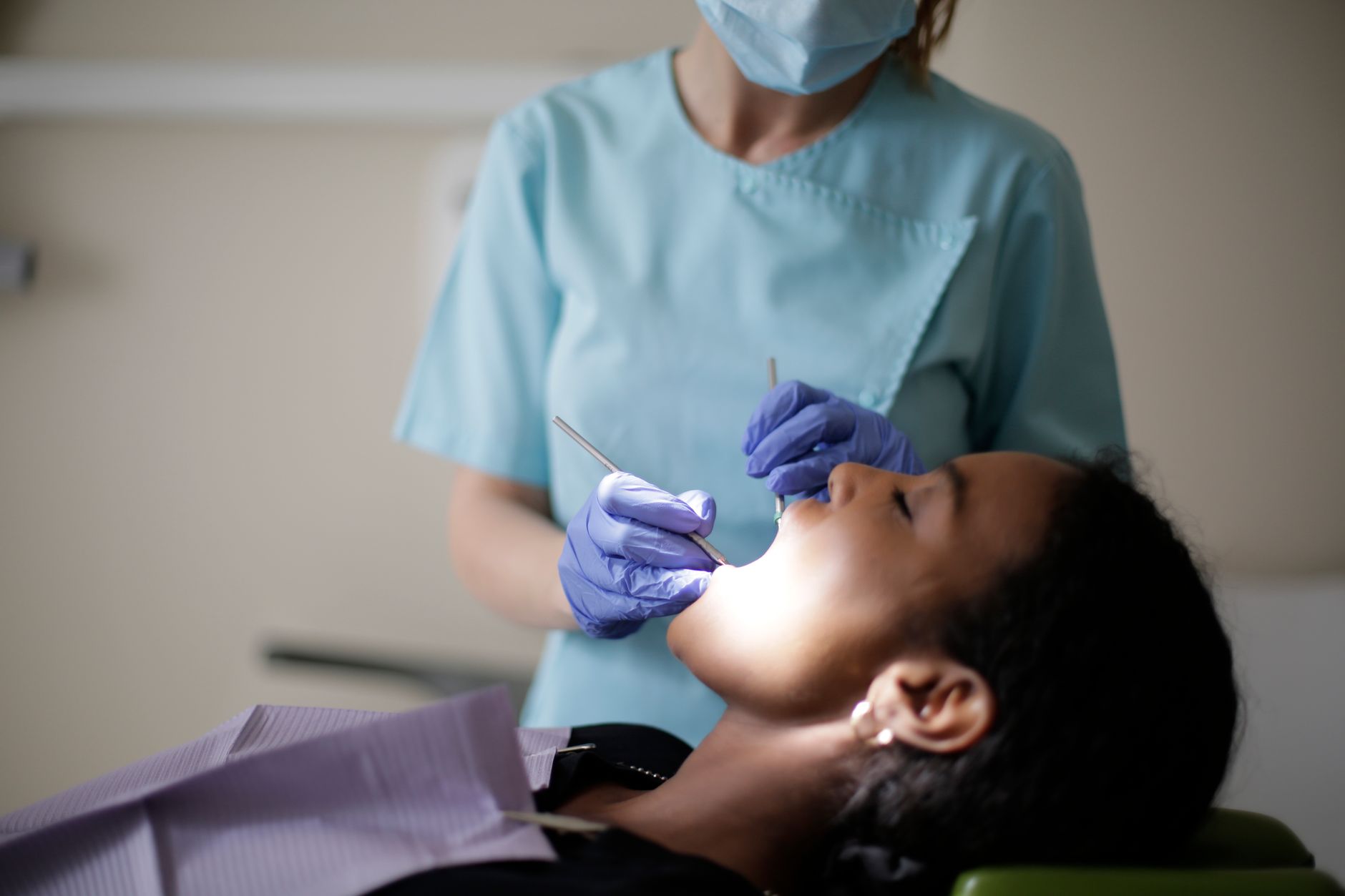
Regular Dental Checkups: Key Benefits for Your Oral Health
It is easy to overlook the importance of regular dental checkups. Most people only…
-
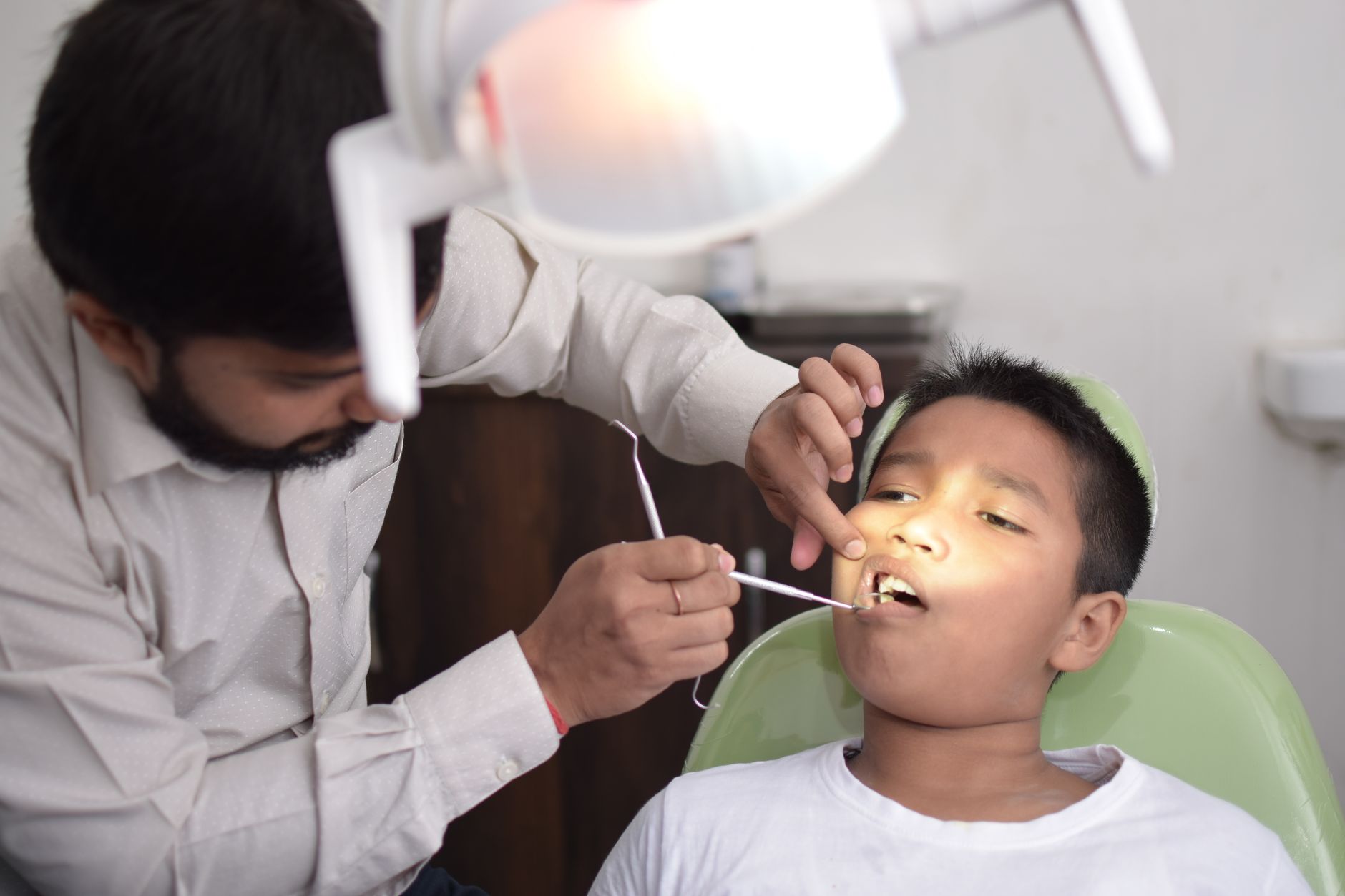
Why Regular Dental Checkups Are Essential for Your Child’s Health
As a parent, ensuring the well-being of your child is one of your top…
-

The Role of Regular Dental Checkups in Maintaining Overall Health
Visiting your dentist might not always be the appointment you’re most looking forward to,…
Reference
Dentures, costs and coverage
How much dentures cost
Every published chain price, per arch, with dates and sources.
Save money on dentures
The six real routes: entry tiers, dental schools, sliding-fee clinics, coverage and donated care.
Find a practice
Every denture specialist the federal NPI register lists, in 50 states and DC.