
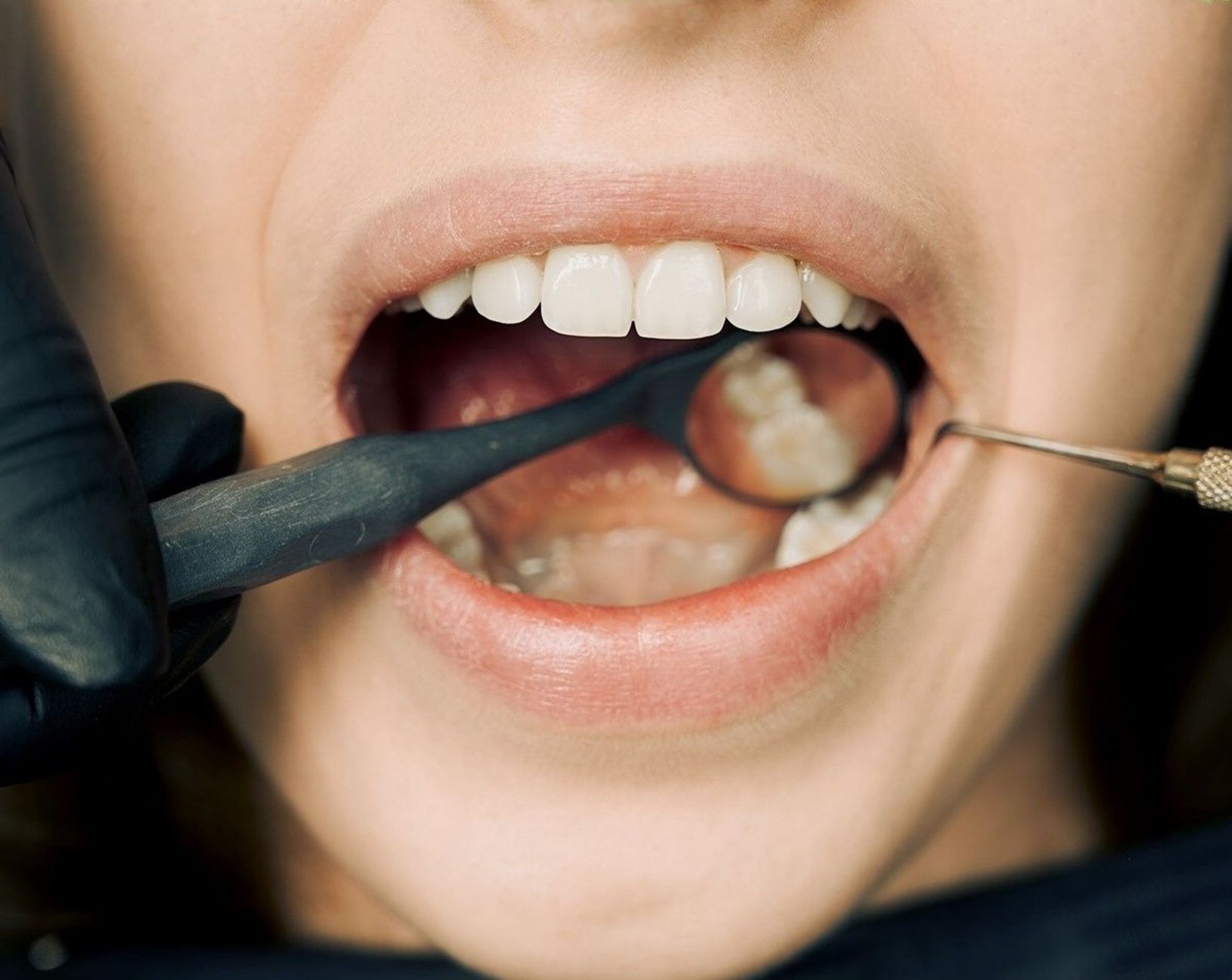
Gum disease, known medically as periodontal disease, is a common oral health problem that affects millions of people worldwide. Left untreated, it can lead to tooth loss, a higher risk of other health problems, and lower self-esteem. The good news is that several effective treatments are available. This article covers the most effective gum disease treatment options, from professional care to home practices, so you can keep your gums healthy and your smile bright.
Understanding the Stages of Gum Disease
Treatment makes more sense once you know the stages of gum disease. The disease typically begins with gingivitis: red, swollen gums that may bleed during brushing or flossing. This early stage is often reversible with proper oral hygiene. Without timely treatment, though, gingivitis can progress to periodontitis, a more severe form that damages the supporting structures of the teeth, including the bone.
Advanced periodontitis is the final stage, leading to teeth loosening and potential tooth loss. Understanding these stages can help in identifying the appropriate treatment and intervention needed to prevent further progression.
Professional Dental Cleanings: The First Line of Defense
One of the most important steps against gum disease is regular professional dental cleaning. Dental cleanings aim to remove plaque and tartar professionally, substances that brushing and flossing alone cannot fully remove. Regular cleanings help stop gingivitis from progressing into periodontitis, keeping gums healthy and preventing further complications.
A deep dental cleaning involves scaling and root planing, where the dentist cleans beneath the gum line to remove built-up plaque and tartar. Keeping regular dental appointments can significantly reduce the risk of developing severe periodontal disease.
Deep Cleaning: Scaling and Root Planing
If you are experiencing more advanced gum disease, your dentist may recommend a deep cleaning process known as scaling and root planing. This method involves cleaning below the gum line to remove harmful tartar and bacteria while smoothing the roots of the teeth. This helps the gums reattach to the teeth and reduces the pockets where bacteria breed.
Scaling and root planing can be an essential part of a successful treatment plan for periodontitis. It is generally performed over several appointments to ensure the gums have time to heal and reattach properly. Following this treatment, good oral hygiene and regular check-ups are critical to maintaining the results.
The Role of Periodontal Therapy
When gum disease has progressed beyond the point of gingivitis, gum disease treatment through advanced periodontal therapy may be necessary. This approach encompasses surgical and non-surgical techniques designed to restore health to the supporting structures of the teeth.
Non-surgical periodontal therapy involves a combination of deep cleaning and the use of medications to control infection and inflammation. In some cases, periodontal surgery may be required to reduce pocket depth, regenerate lost bone and tissue, or reshape the gums to make them more manageable for the patient to clean.
Advanced periodontal therapy often includes the administration of local antibiotics in the form of gels or microspheres that deliver medication directly into the pockets around the teeth. This localized treatment helps reduce bacteria and inflammation, complementing oral hygiene efforts and routine dentist visits.
The Benefits of Fluoride Treatment
While fluoride is typically associated with cavity prevention, its role in gum health should not be underestimated. Fluoride for cavity prevention helps strengthen tooth enamel, making teeth more resistant to decay and less prone to developing cavities that could exacerbate gum disease.
Fluoride treatments can be applied by a dentist or bought over the counter, adding a layer of protection for people at higher risk of tooth decay and gum problems. Adding fluoride to a daily dental care routine can contribute to long-term oral health and support other treatments for managing gum disease.
Enhancing Oral Hygiene Practices at Home
Healthy gums take more than professional treatment. Consistent, effective oral hygiene at home is essential for preventing and managing gum disease. That means brushing twice a day with fluoride toothpaste, flossing daily to remove plaque between teeth, and using an antimicrobial mouthwash to reduce bacteria buildup.
Incorporating tools such as interdental brushes, water flossers, and tongue scrapers can enhance your oral care routine. These tools allow for a more thorough cleaning, particularly in areas that are difficult to reach with regular brushing and flossing. Staying diligent about one’s oral hygiene is a proactive step in safeguarding against oral health issues.
The Impact of Lifestyle and Diet on Gum Health
Maintaining a balanced diet plays a significant role in periodontal health. Eating a variety of foods rich in vitamins and minerals strengthens the immune system and keeps gums healthy. Nutrients such as vitamin C, omega-3 fatty acids, and antioxidants have been shown to support gum health and reduce inflammation.
Avoiding tobacco products is also essential in preventing gum disease. Smoking impairs blood circulation to the gums, hindering their ability to heal and fight infection. Keeping sugar intake low reduces the risk of tooth decay, which can aggravate gum disease.
Regular Dental Check-Ups: A Key to Prevention
One of the most effective strategies for controlling gum disease is maintaining regular dental check-ups and cleanings. Dental professionals can assess the state of your gums, identify early signs of gum disease, and suggest personalized treatment strategies before problems escalate.
Routine visits involve cleaning and provide an opportunity for the dentist to evaluate your overall oral health. If early signs of gum issues are detected, dentists can recommend preventive measures, ensuring that any concerns are promptly addressed before complications arise.
When to Seek Professional Advice
Indicators such as bleeding gums, persistent bad breath, receding gums, and increased tooth sensitivity are signs that you should seek professional dental advice. Early detection and treatment of gum disease are critical in stopping its progression and avoiding more invasive interventions later.
Consulting a dental professional when you notice these symptoms is vital for receiving a tailored treatment approach. Your dentist can create a full plan for recovery, combining professional care with at-home practices to restore gum health.
The Path to Healthier Gums Starts Today
Achieving and maintaining good gum health requires a combination of professional dental care, effective home hygiene practices, and a health-conscious lifestyle. By being proactive and vigilant about oral care, people can significantly reduce their risk of gum disease and enjoy the benefits of a healthy, bright smile.
From regular dental cleanings to periodontal therapy and fluoride, there are many effective gum disease treatment options. Together, they form a strong defense against gum disease, keeping your smile as healthy as it is beautiful.
Keep reading
Related articles
-
How to Prevent Periodontal Disease: Essential Tips
Periodontal disease, also known as gum disease, is a commonly underestimated dental condition that…
-

How to Cure Bad Breath: Effective Home Remedies
Bad breath, also known as halitosis, can be an embarrassing issue that affects social…
-
Effective DIY Remedies for Treating Gum Bleeding
Gum bleeding can be an unsettling experience. It often results from insufficient oral hygiene,…
Reference
Dentures, costs and coverage
How much dentures cost
Every published chain price, per arch, with dates and sources.
Save money on dentures
The six real routes: entry tiers, dental schools, sliding-fee clinics, coverage and donated care.
Find a practice
Every denture specialist the federal NPI register lists, in 50 states and DC.