
Building an eco-friendly home is a commitment to sustainability, health, and energy efficiency. As more homeowners gravitate toward reducing their carbon footprint, creating a living space that harmonizes with the environment becomes important. Whether you’re starting from scratch or renovating your existing space, there are several strategies you can employ to ensure your home is as green as can be.
Choosing the Right Location and Planning
Before breaking ground on your eco-friendly home, location is key. An ideal location considers its proximity to essential services and the minimization of environmental impact. Opt for areas that are walkable to reduce reliance on cars. Consider, too, the orientation of your home to maximize natural lighting and passive solar heating and cooling.
Planning is another critical step. Work with architects and builders who specialize in sustainable design. They can guide you on integrating eco-friendly features smoothly into the structure while adhering to local regulations. Planning also involves researching and choosing materials that are non-toxic and sustainably sourced.
Sustainable Building Materials
Choosing sustainable materials is a cornerstone of eco-friendly construction. Materials such as bamboo, recycled metal, reclaimed wood, and cork are excellent choices that reduce environmental strain. These materials are renewable and durable, often resulting in lower maintenance costs over time.
Insulation is another area where you can make a significant impact. Consider eco-friendly options such as sheep’s wool, cellulose, or cotton for insulation. These materials are excellent at trapping heat during colder months and keeping your home cool during the summer.
Energy Efficiency Matters
Energy efficiency is central to reducing a home’s environmental impact. Start with installing energy-efficient windows and doors to prevent heat loss. Double or triple-glazed windows combined with well-insulated frames can drastically cut down on energy bills.
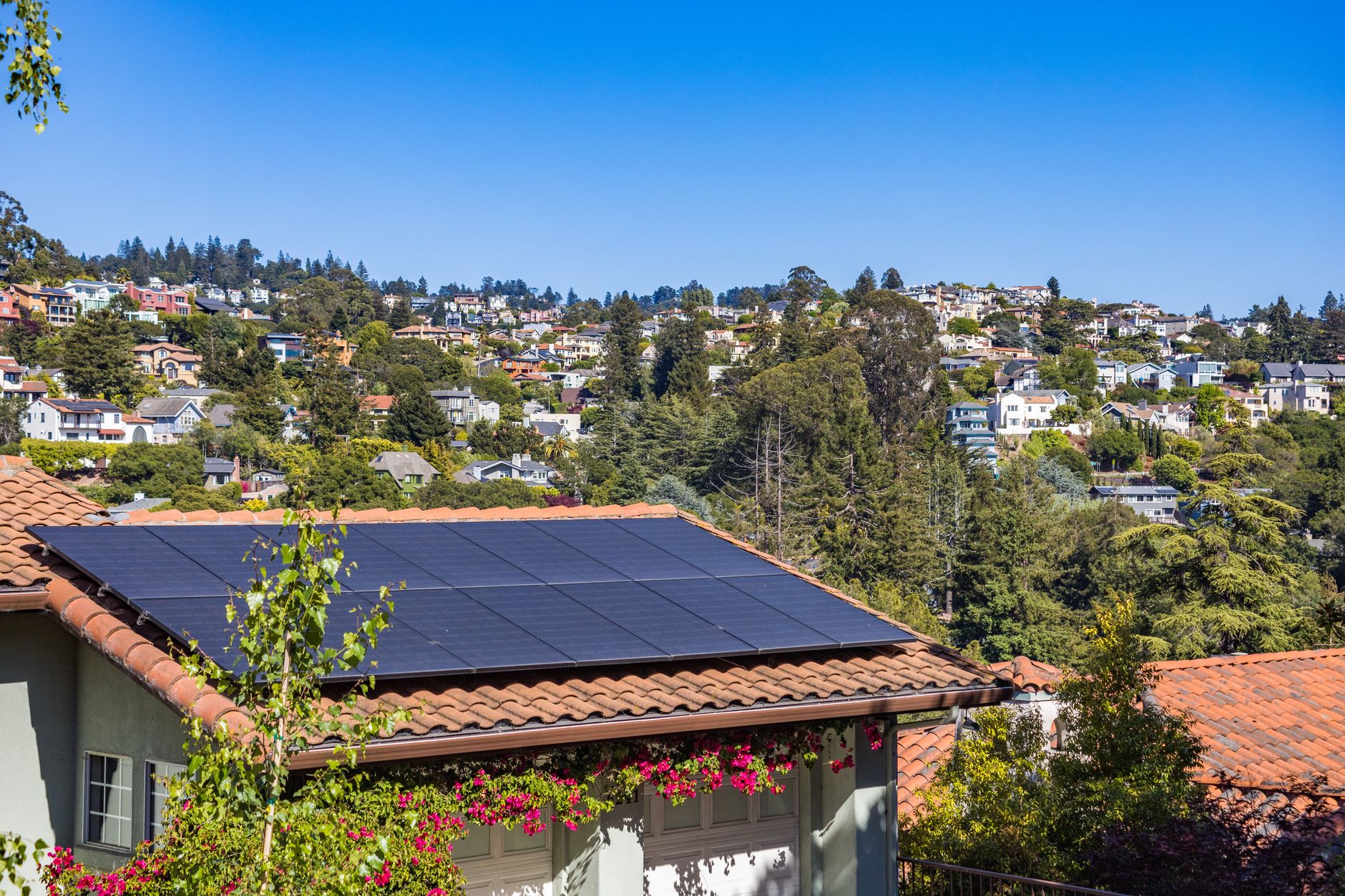
Incorporate renewable energy sources like solar panels to power your home. Solar technology has become more affordable and can significantly reduce reliance on fossil fuels. Energy-efficient appliances and smart home technology also help manage energy consumption effectively.
Consider also the type of heating and cooling systems you install. Geothermal heating, radiant floor heating, and energy-efficient boilers or furnaces can be great alternatives to traditional systems.
Water Conservation Techniques
Water is a precious resource, and conserving it is vital when building an eco-friendly home. Implement rainwater harvesting systems to capture and reuse rain for irrigation or toilet flushing. Integrate low-flow toilets, faucets, and showerheads to further reduce water consumption.
Another innovative technique is creating a greywater recycling system. This system redirects water used in your sinks, showers, and washing machines for uses such as watering gardens and flushing toilets, greatly enhancing water efficiency.
Integrating Natural Elements Indoors
Bringing natural elements into your home creates a harmonious living space and improves indoor air quality. Use indoor plants to purify the air and add tranquility to your space. Choose finishes and furniture made from natural materials such as wood and stone.
Natural lighting is another critical element. Design spaces that take full advantage of sunlight, reducing the need for artificial lighting, which in turn reduces energy consumption.
Mindful Landscaping
Don’t overlook the environmental impact of your home’s exterior. Design a garden using native plants that require minimal maintenance and water. Xeriscaping is another strategy that uses drought-resistant plants, reducing the need for watering without sacrificing aesthetic appeal.
Install permeable paving solutions for driveways and walkways to reduce runoff and promote groundwater recharge. An eco-friendly outdoor space complements the home and supports local biodiversity.
Health Benefits of an Eco-Friendly Home
Living in an eco-friendly home goes beyond environmental benefits; it has significant health advantages. Non-toxic materials reduce exposure to harmful chemicals, promoting better indoor air quality. Enhanced ventilation systems further improve air quality by circulating fresh air and eliminating pollutants.
While you’re focusing on creating this eco-friendly environment, consider local services that align with your values. For instance, if you need a dentist, you may find practices nearby that also prioritize sustainability, contributing to your overall lifestyle choices.
Cost Considerations
A common misconception about eco-friendly homes is that they are significantly more expensive. While some initial costs might be higher, the long-term savings on utility bills and maintenance often make up for the upfront investment. Many governments also offer incentives and rebates for sustainable building practices, which can help offset costs.
For instance, incorporating eco-friendly design can also involve choosing services that adhere to sustainable practices. If you rely on a dentist Duluth, you can choose a practice that provides excellent care and mirrors your commitment to sustainability.
Eco-Friendly Living Beyond the Building
Building an eco-friendly home is just the beginning. Adopting a sustainable lifestyle complements your efforts in creating a green home. This means being conscious of your daily habits, from reducing waste to minimizing electricity use. Consider community resources or workshops that promote sustainable living practices.
Maintaining a healthy living environment includes choosing products that reduce environmental impact. When looking for personal care or household items, opt for those with eco-friendly packaging and ingredients. This also includes health services, like seeking dental implants in Duluth, provided by clinics that align with green practices.
Embracing the Future of Sustainable Homes
Building an eco-friendly home is a rewarding process that aligns with a broader commitment to the environment and personal health. As awareness continues to grow, homeowners, builders, and local communities are increasingly partaking in the movement toward sustainable living. By making thoughtful choices, you contribute to a healthier planet and enhance quality of life.
Being a steward of the environment through your housing choices sets a precedent for future generations. As you enjoy the comforts of your eco-friendly home, take pride in knowing you’re part of a global effort to create a more sustainable world.
Keep reading
Related articles
-

Ensuring Clean and Safe Drinking Water at Home
Having access to clean and safe drinking water at home is essential for maintaining…
-

The Benefits of Smart Home Technology for Modern Living
The Revolution of Smart Home Technology In recent years, smart home technology has become…
-

Why Desert Trees Need More Than a Casual Trim: Understanding Tree Care in Arid Climates
The trees that grow in the Sonoran Desert are not the trees most people…
Reference
Dentures, costs and coverage
How much dentures cost
Every published chain price, per arch, with dates and sources.
Find a practice
Every denture specialist the federal NPI register lists, in 50 states and DC.
Denture tools
Six calculators that run on published prices and state program rules.