
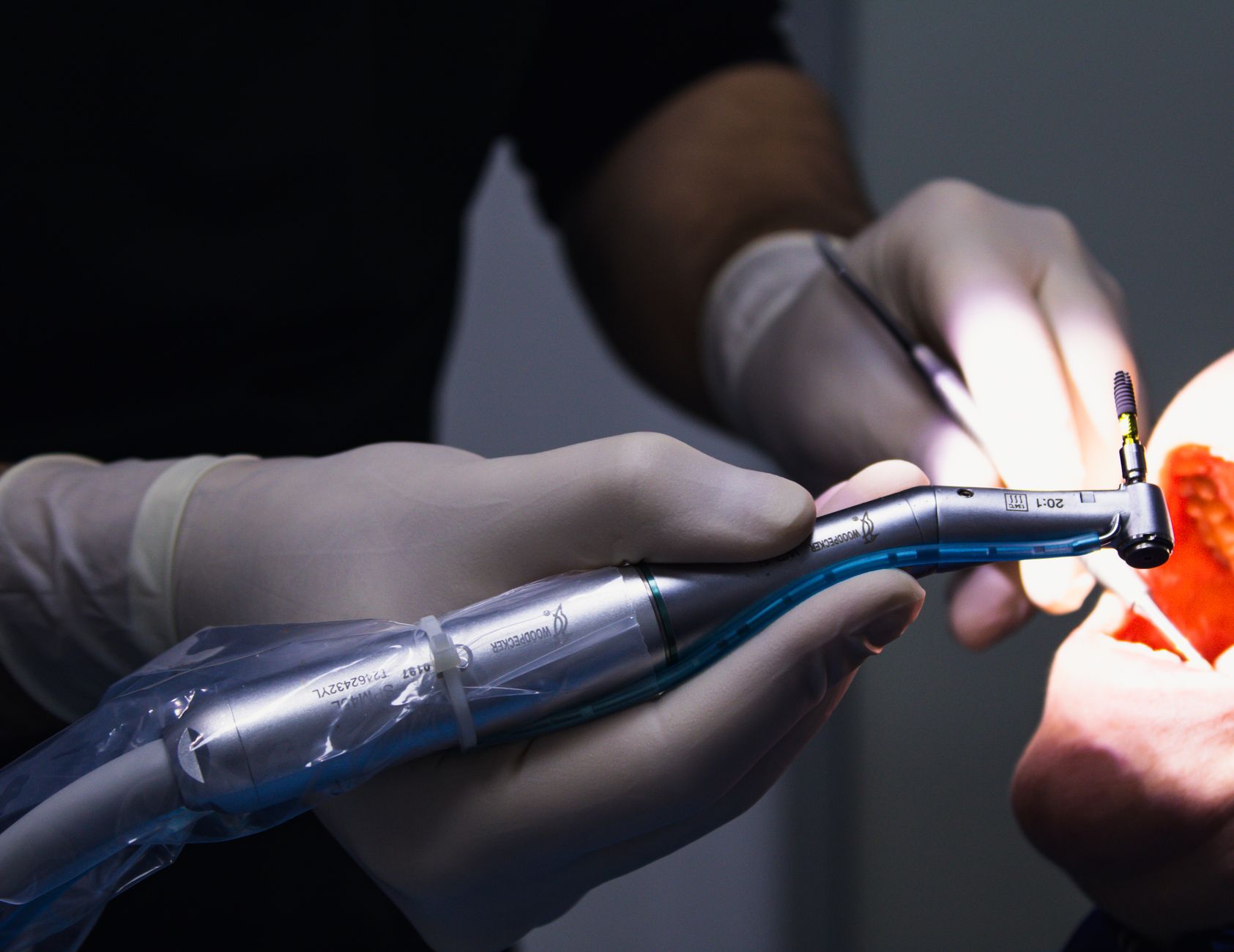
A filling is one of the most familiar treatments in dentistry, but it is not a permanent repair. It restores the part of a tooth that has been weakened by decay, a small fracture, or wear, helping the tooth function comfortably again. Over time, however, the filling and the tooth around it are exposed to biting force, temperature changes, bacteria, and everyday wear. Eventually, many fillings need attention.
That does not mean a filling has failed just because it has been in place for a while. Some last for many years with little trouble, while others need replacement sooner because of their size, location, material, or changes in the surrounding tooth. Understanding what affects a filling’s service life can make it easier to protect your dental work and recognize when it is time to arrange a checkup.
A filling’s lifespan depends on more than its age
It is tempting to ask for a single timeline, but there is no reliable expiration date for every filling. A small restoration on a low-stress surface may remain sound for a long time. A larger restoration on a back tooth, where chewing forces are greatest, has a different set of demands. The amount of natural tooth remaining is often just as important as the material used.
Oral health habits matter too. Regular brushing, cleaning between teeth, and routine dental visits help reduce the chance of new decay forming at the filling’s edges. A diet with frequent sugary or acidic snacks and drinks can create a tougher environment for both the tooth and the restoration. Dry mouth, reflux, and certain medications may also affect the mouth in ways that deserve discussion with a dental professional.
Why the filling material makes a difference
Several materials can be used to restore a tooth, and each has practical strengths. Tooth-colored composite resin is commonly selected because it can blend with natural enamel and can be bonded directly to the tooth. It is especially useful in visible areas, though it may be more susceptible to staining or wear over time than some alternatives, particularly when used in large back-tooth restorations.
Amalgam fillings have historically been used in chewing teeth because they are durable and tolerate moisture during placement well. They are more noticeable than tooth-colored options and may cause a darkened appearance in the surrounding tooth over the years. Gold and ceramic restorations can also be highly durable in appropriate situations, although these are often made outside the mouth and may be described as inlays or onlays rather than routine fillings.
The best material is not automatically the one that lasts the longest in every situation. Appearance, the size and location of the repair, how much healthy tooth structure remains, bite forces, and personal preferences all play a role. A dentist can explain the tradeoffs of available options without treating the decision as one-size-fits-all.
The size of the repair changes the long-term outlook
A filling replaces lost tooth structure, but it cannot fully recreate the strength of untouched enamel. When a cavity is small, the dentist can remove decay conservatively and preserve most of the tooth. The resulting filling has a relatively simple job. When decay or an old restoration is extensive, the remaining tooth walls may be thin and more likely to flex or crack under pressure.
In those cases, replacing a large filling with another large filling may not always be the most protective approach. An inlay, onlay, or crown may be recommended when the goal is to support weakened cusps, which are the pointed chewing surfaces on back teeth. This is not about upselling treatment. It is about matching the restoration to the amount of tooth that needs reinforcement.
Back teeth work harder than front teeth
Molars and premolars take on much of the force of chewing, so their fillings often face more mechanical stress than fillings on front teeth. A restoration between back teeth can be particularly challenging because it must restore a tight contact with the neighboring tooth while also protecting an area that can trap plaque and food particles.
Front-tooth fillings may encounter less chewing force, but they can still chip from biting nails, pens, ice, or hard foods. They are also more visible, so changes in color, texture, or contour may be noticed sooner. For any location, the filling’s condition and the health of the neighboring tooth surfaces should be checked at regular visits.
Daily habits that can shorten a filling’s useful life
Teeth are designed for eating, not for opening packages, cracking nuts, cutting thread, or holding objects. Using teeth as tools can chip a filling or fracture the tooth around it. Chewing ice, hard candy, popcorn kernels, and other very hard items can pose similar problems, especially for teeth with large restorations.
Clenching and grinding are another concern. Many people grind their teeth during sleep without realizing it, while others clench during periods of stress or concentration. Repeated pressure can wear restorations down, create tiny cracks, or make a filling feel sore when biting. If a dentist sees signs of grinding, a custom night guard or other protective strategy may help limit further damage.
Tobacco use can also affect oral health in ways that complicate the life of restorations. It may contribute to staining, gum problems, and a less favorable environment for healing and maintenance. Quitting can be difficult, but discussing available support with a healthcare professional is worthwhile for both oral and overall health.
New decay can form around an old filling
One of the most common reasons a filling needs replacement is not necessarily that the material itself wore out. Bacteria can collect along the margin where filling and tooth meet. If plaque is not removed effectively, decay can begin around or beneath the restoration. This is sometimes called recurrent decay, and it may not cause noticeable discomfort in its early stages.
Cleaning between teeth is especially important for fillings that extend onto side surfaces. A toothbrush alone cannot consistently reach those contact areas. Floss, interdental brushes, water flossers, or another clinician-recommended tool can help, depending on the spacing of the teeth and the person’s needs. The key is a technique that is comfortable enough to use consistently.
Regular examinations and dental X-rays, when clinically appropriate, allow a dentist to look for changes that are not visible in a mirror. X-rays are often particularly helpful for checking between teeth and under older restorations. Detecting a small issue early may allow for a more conservative repair than waiting until a tooth becomes painful.
Signs a filling may need to be examined
Not every old filling causes symptoms, and a symptom does not always mean replacement is necessary. Still, certain changes deserve attention. Sensitivity to cold, heat, sweets, or pressure can indicate that a filling has worn, leaked, cracked, or that new decay is present. Pain that lingers after a temperature trigger, spontaneous toothache, or swelling should be assessed promptly.
You may also notice a rough edge with your tongue, a chip, a dark line around the filling, food repeatedly catching in one spot, or a change in the way your teeth come together. These clues can be useful to mention at an appointment. Avoid trying to smooth, glue, or otherwise repair a filling yourself, since household products can irritate tissues or make professional treatment more difficult.
If a filling falls out, save it if possible, but do not delay seeking care just because you cannot find it. Keep the area clean and avoid chewing on that side. A temporary dental repair product may sometimes be appropriate for a short period when professional care is not immediately available, though it is no substitute for an examination and a lasting restoration.
Why a filling can feel sensitive after treatment
Some temporary sensitivity after receiving a filling can be normal, particularly if the decay was deep or the tooth was already irritated. The tooth may react to cold, pressure, or temperature changes while it settles. Mild sensitivity often improves, but the pattern matters. It should be discussed with the dental office if it intensifies, persists, or interferes with eating and drinking.
A filling that feels high when biting is another reason to call. Even a small uneven spot can place excessive force on one tooth and make it tender. A dentist can usually adjust the bite quickly. It is better to have the fit checked than to keep avoiding that side of the mouth and potentially strain the tooth further.
Repairing versus replacing an older restoration
A visible flaw does not automatically require removal of the entire filling. In some circumstances, a dentist may be able to polish a rough area, adjust the contour, or repair a localized chip. Conserving sound tooth structure is generally valuable, so the decision should be based on the actual condition of the filling and the tooth, rather than age alone.
Replacement becomes more likely when there is decay around the restoration, a fracture, significant wear, poor fit, or a gap that cannot be predictably repaired. During replacement, some additional tooth structure may need to be removed to clear away decay or damaged material. That is one reason preventive care and early assessment are so useful: a smaller problem often gives more treatment options.
How fillings fit into broader restorative care
Fillings are only one part of maintaining a comfortable, functional mouth. Gum health, bite alignment, missing teeth, wear patterns, and dry mouth can all influence how long individual restorations last. For people who wear partial dentures, a well-maintained filling on a supporting tooth may be especially important, since those teeth can help carry and stabilize the appliance.
If a tooth has been weakened repeatedly or cannot be restored predictably, the conversation may move beyond another filling. Depending on the situation, options might include a crown, root canal treatment followed by a restoration, an extraction, or replacement of a missing tooth. The appropriate path depends on examination findings, X-rays when needed, comfort, function, and the person’s overall oral-health goals.
Making checkups useful rather than waiting for pain
A dental appointment is a chance to ask specific questions about existing work. It can help to mention which teeth have fillings, whether any area catches food, and whether you have noticed sensitivity or changes in chewing. Bring up habits such as grinding, frequent snacking, or dry mouth as well, since these details can affect the care plan.
For local guidance, a dentist in Livingston NJ can evaluate the condition of fillings in the context of the whole mouth and explain whether monitoring, repair, or replacement makes sense. The aim is not to replace every older restoration on sight. It is to identify changes early and preserve as much healthy tooth structure as possible.
Simple ways to help restorations serve you well
The most useful habits are also the most familiar: brush thoroughly with fluoride toothpaste, clean between teeth every day, and attend recommended dental visits. Fluoride can support enamel around restoration edges, where new decay may otherwise begin. If you are unsure whether your brushing or flossing technique is reaching the right areas, ask for a demonstration at your next visit.
Try to limit frequent exposure to sugary snacks, sweet drinks, and acidic beverages. Frequency matters because every exposure gives mouth bacteria and acids another opportunity to affect enamel. Drinking water after meals, choosing tooth-friendly snacks when possible, and avoiding grazing throughout the day can support both natural teeth and restored teeth.
Finally, pay attention to small changes without assuming the worst. A filling can last a long time, but it benefits from the same steady care as the rest of the mouth. With good hygiene, sensible habits, and timely professional review, many problems can be addressed before they become painful, complex, or disruptive to daily life.
Keep reading
Related articles
-

How Long Do Dental Implants Last With Proper Care?
Investing in a dental implant is like putting money into a long-term plan for…
-
What Are Dental Crowns and When Do You Actually Need One?
If you’ve ever been told you “might need a crown,” you’re not alone. And…
-

Oral Surgery and Dental Implants in Walnut Creek: What You Need to Know
For more complex dental procedures (implants, extractions, bone grafting, full-arch restoration), the experience and…
Reference
Dentures, costs and coverage
How much dentures cost
Every published chain price, per arch, with dates and sources.
Implant dentures
Snap-on and fixed full-arch prices as the providers publish them.
Partial dentures
The three types, every published partial price, and what Medicaid pays by material.